
Curi Robot
Humanoid research platform for expressive human–robot interaction
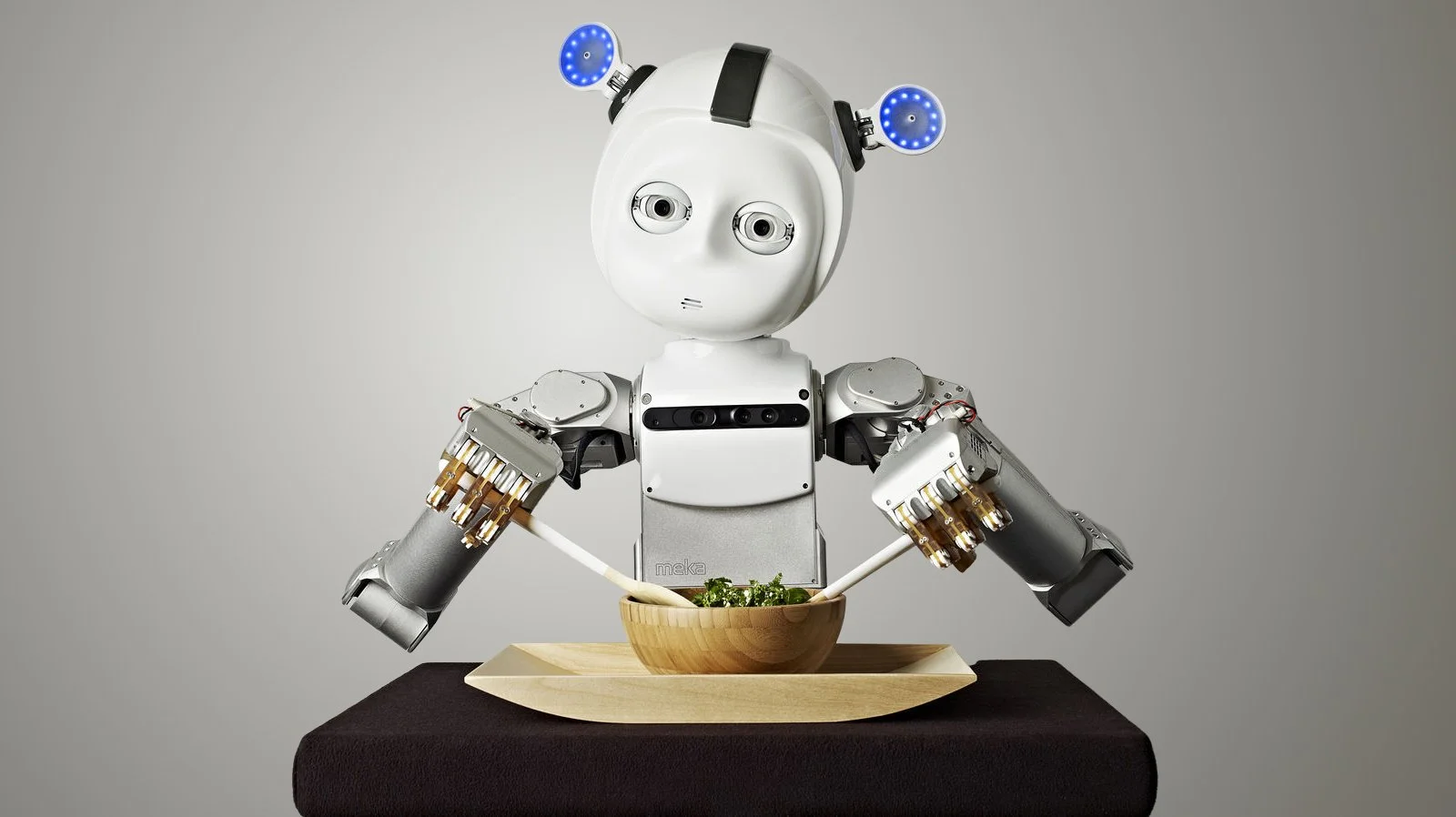
Image credit: Popular Science
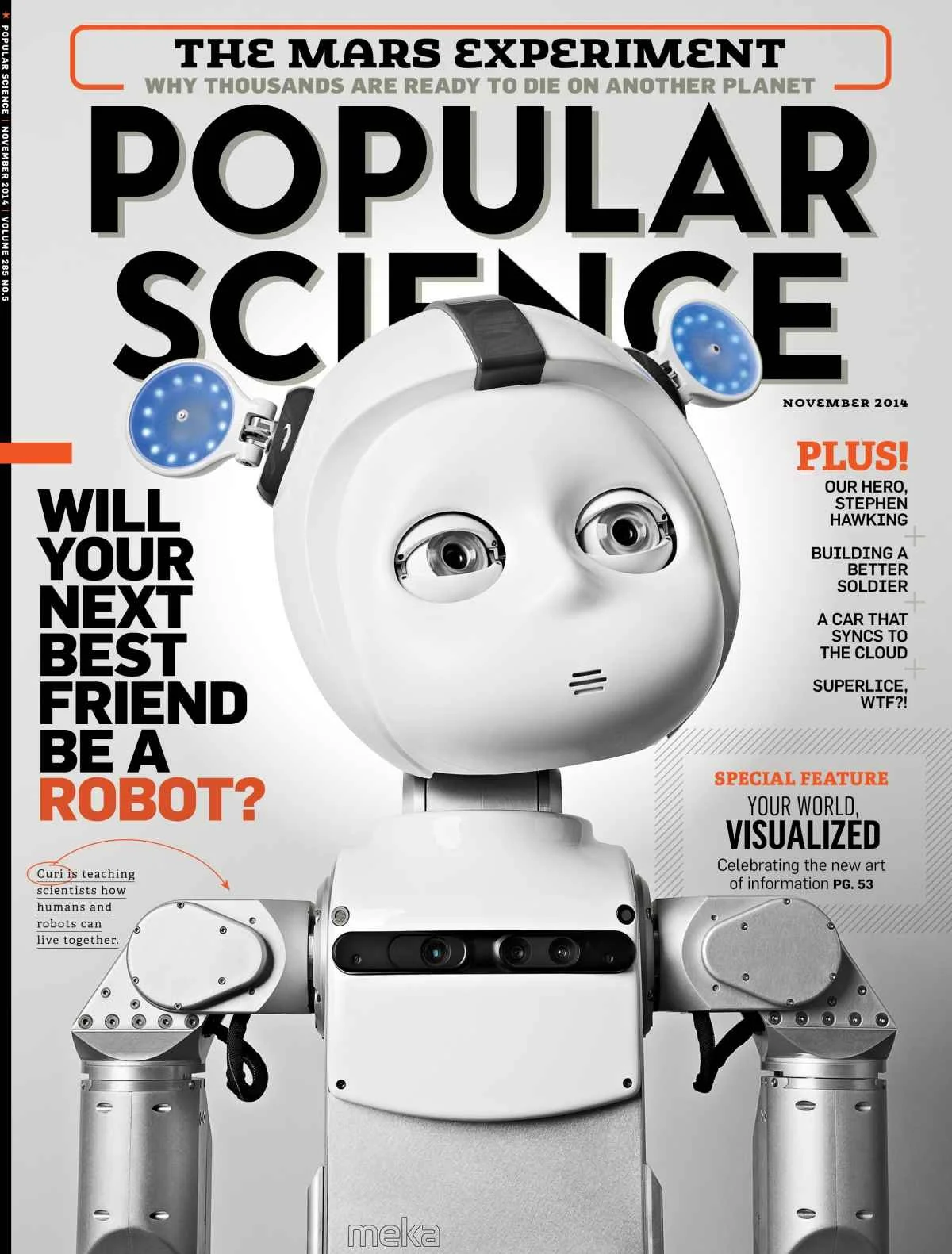
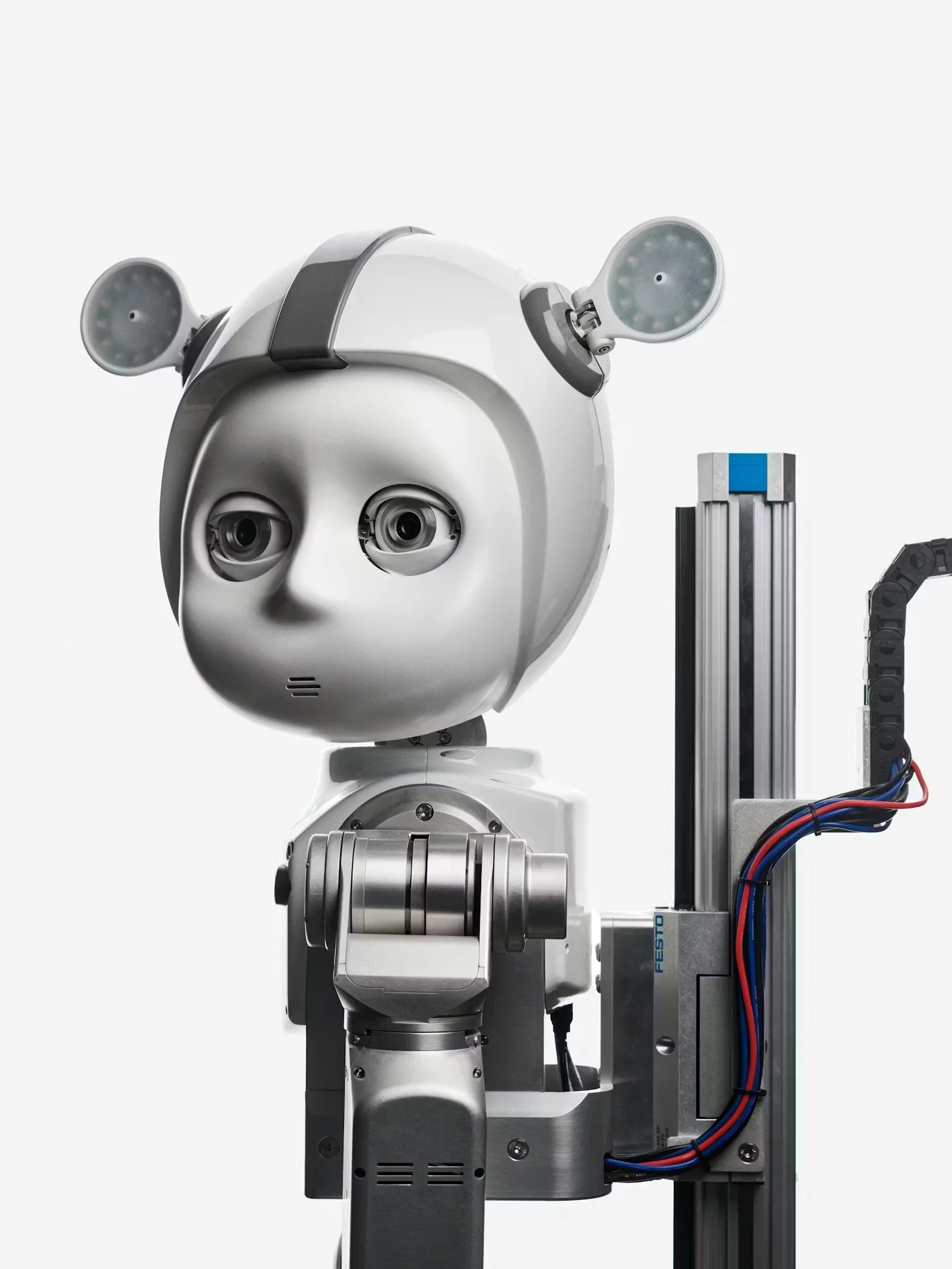
Curi is an upper-torso humanoid robot developed as a research platform for studying how robots learn, communicate, and collaborate with people. Created as a companion platform to Simon in the Socially Intelligent Machines Lab led by Andrea Thomaz, Curi extended earlier work into a more expressive and refined system for human–robot interaction.
I was part of the core team that determined the overall architecture and shell design, working closely with Jonathan Holmes, Meka Robotics, and the AI researchers and software developers at the lab.
Designing for Expressive Interaction
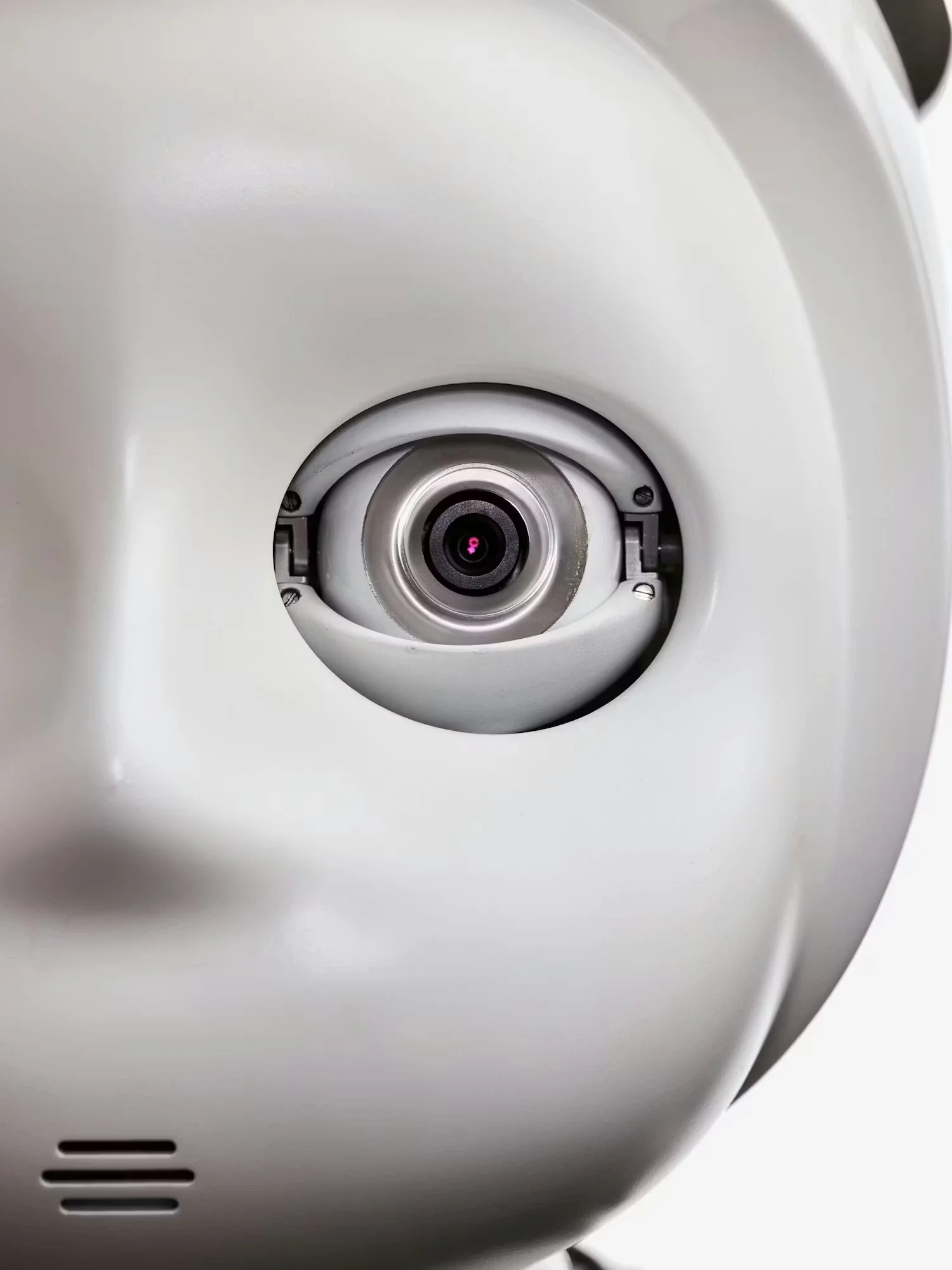
Curi builds on the ideas explored in Simon, focused on expressive behavior and legibility. In addition to eye movement, the system uses movement and posture to convey attention, intention, and feedback—supporting more natural interaction with human partners.
A Platform for Teaching and Learning
Like Simon, Curi was developed to explore how robots can learn from people through demonstration and interaction.
The robot was used in research investigating:
learning through human instruction
collaborative task execution
social cues in teaching and correction
These interactions depend not just on AI capabilities, but on how clearly the robot expresses what it is perceiving and doing.
Form as Communication
The design simplifies and refines the humanoid structure, focusing on:
a clear and readable head for directing attention
articulated arms for both manipulation and expressive gesture
a cohesive shell that integrates sensing and movement into a unified presence
The goal was to create a robot that people could quickly understand and feel comfortable engaging with—supporting interaction without requiring explanation. Insights from this work contributed to later developments in service robotics, including the design of Moxi at Diligent Robotics, where these ideas were translated into real-world hospital environments.
Recognition
Curi received widespread attention for its role in advancing human–robot interaction research.
Featured in:
Cover story in Popular Science — “Meet the Woman Who Trains Robots for a Living”
TEDx talk by Andrea Thomaz on teaching robots through human interaction