
Neato BotVac
Smart Design: Interaction and Experience Design
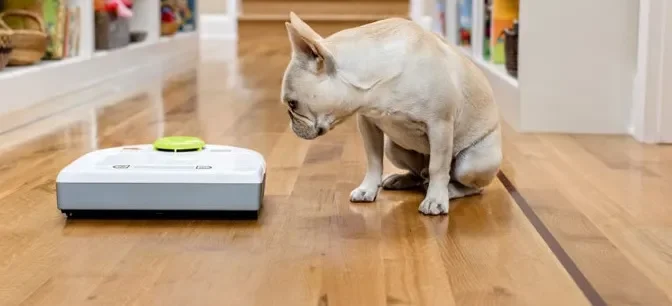
Image: Neato Robotics
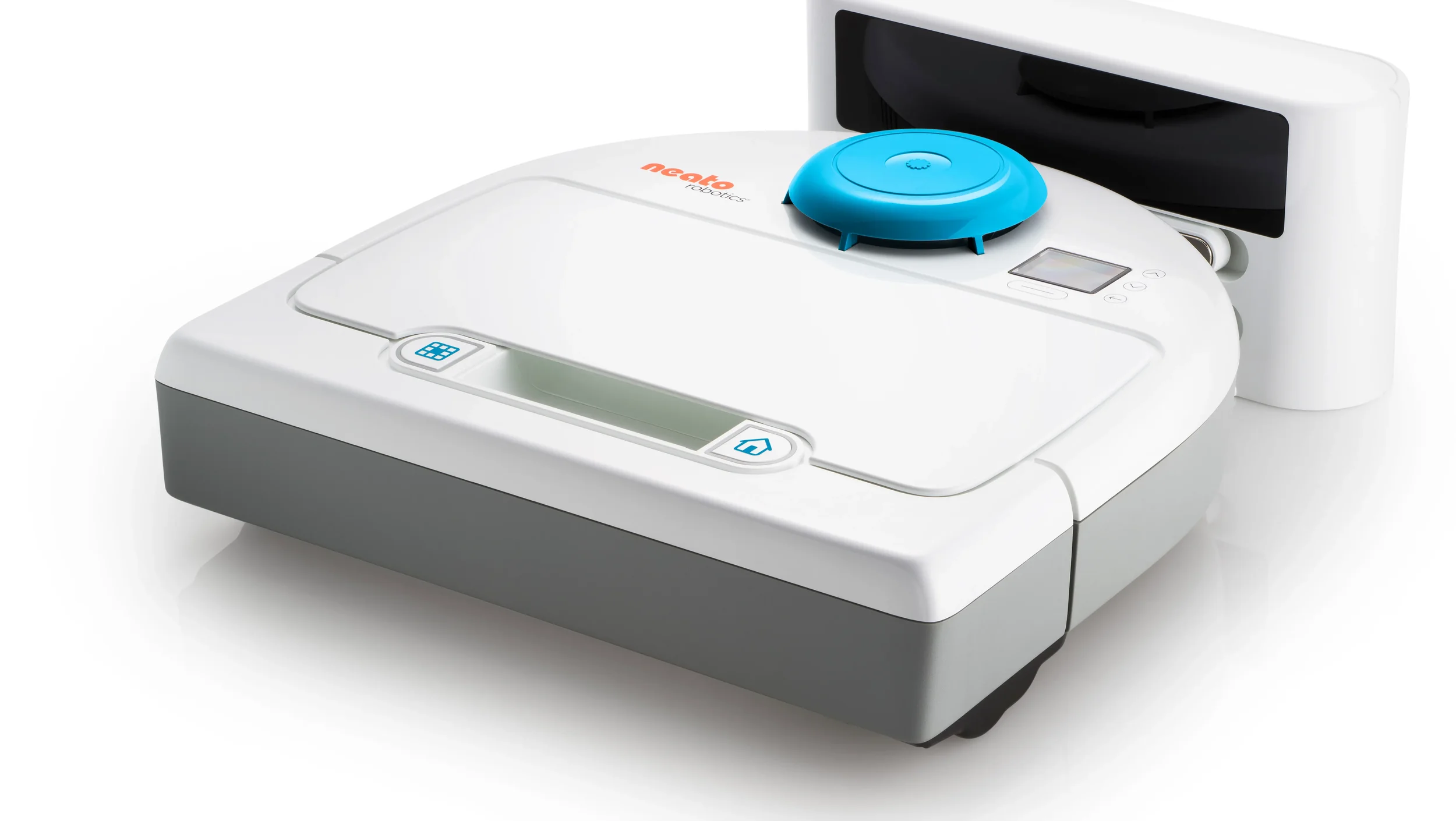
At Smart Design, I led interaction design efforts for the Neato robotic vacuum cleaner, exploring how an autonomous household product could communicate through sound, light, typography, and movement.
Our work began with ethnographic research in the homes of robotic vacuum owners, observing how people developed relationships with these machines over time. We discovered that people often treated their robots almost like pets, giving them names, forgiving their occasional mistakes, and developing expectations that changed as the novelty of ownership gave way to everyday use.
These insights informed an expressive interface language that made the robot's behavior understandable while giving it a subtle sense of character. We explored illuminated graphics integrated into the robot's shell, developed visual communication for its various operating states, and collaborated with composer Skooby Laposky on a distinctive palette of expressive sounds.
The project was featured in Beautiful Users: Designing for People, an exhibition and accompanying book at the Cooper Hewitt, Smithsonian Design Museum. I also presented the work in a talk at the museum.
Product–User Relationship Over Time
Mapping the evolving relationship between people and their robotic vacuum cleaners, from the excitement of unboxing and first use to the expectations and routines of everyday life. Based on ethnographic research with robot owners, this diagram explores how emotions, interactions, and expectations change over time, informing an interface designed to support a long-term relationship rather than just a first impression.
Human–Robot Interaction Distance
Exploring how people interact with a mobile robot at different distances, from direct physical contact to encounters across a room. The diagram identifies how hands, feet, eyes, and ears become relevant at different ranges, helping inform the design of visual, auditory, and physical interactions.