
Simon Robot
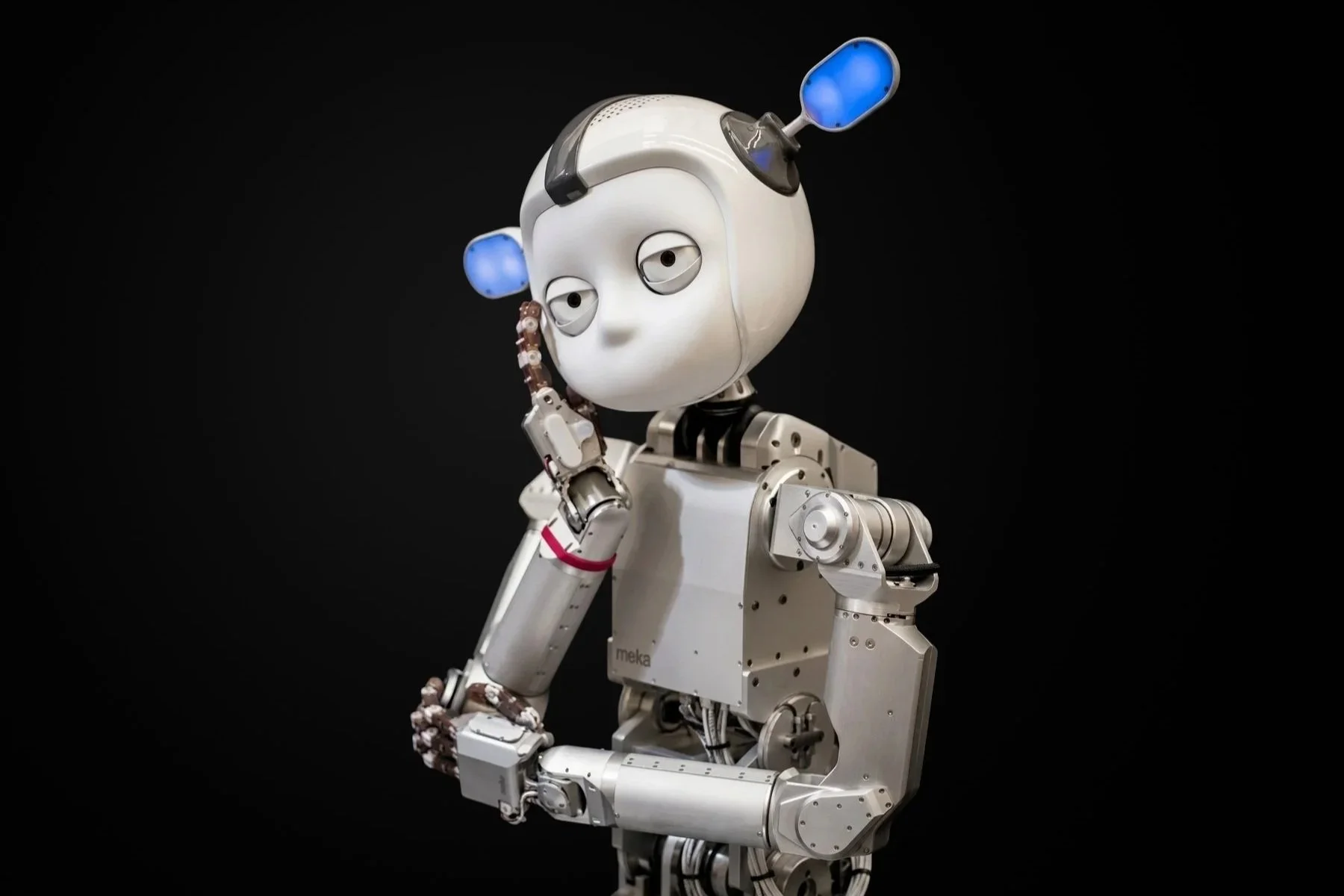
Image: Daniel Borris for the NY TImes
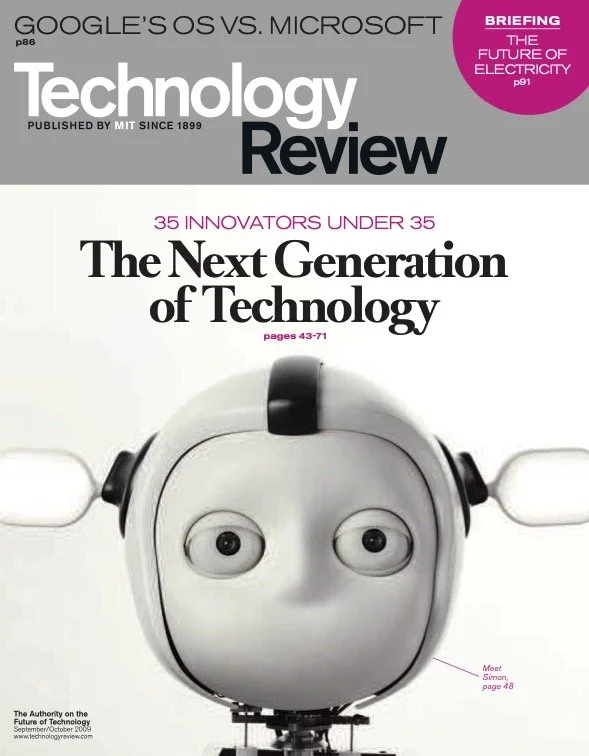
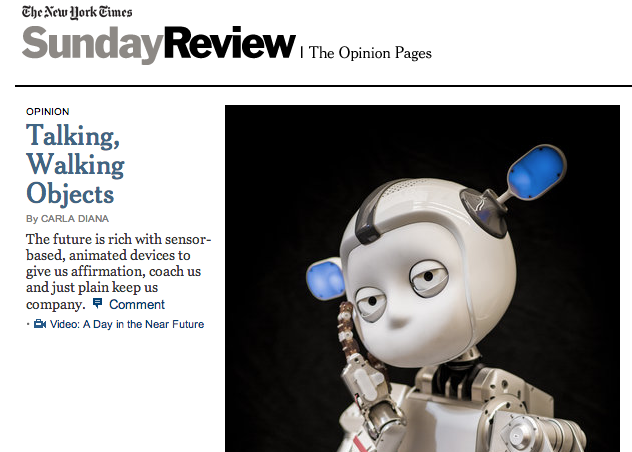
CBS This Morning feature on the Simon project by Dr. Andrea Thomaz.
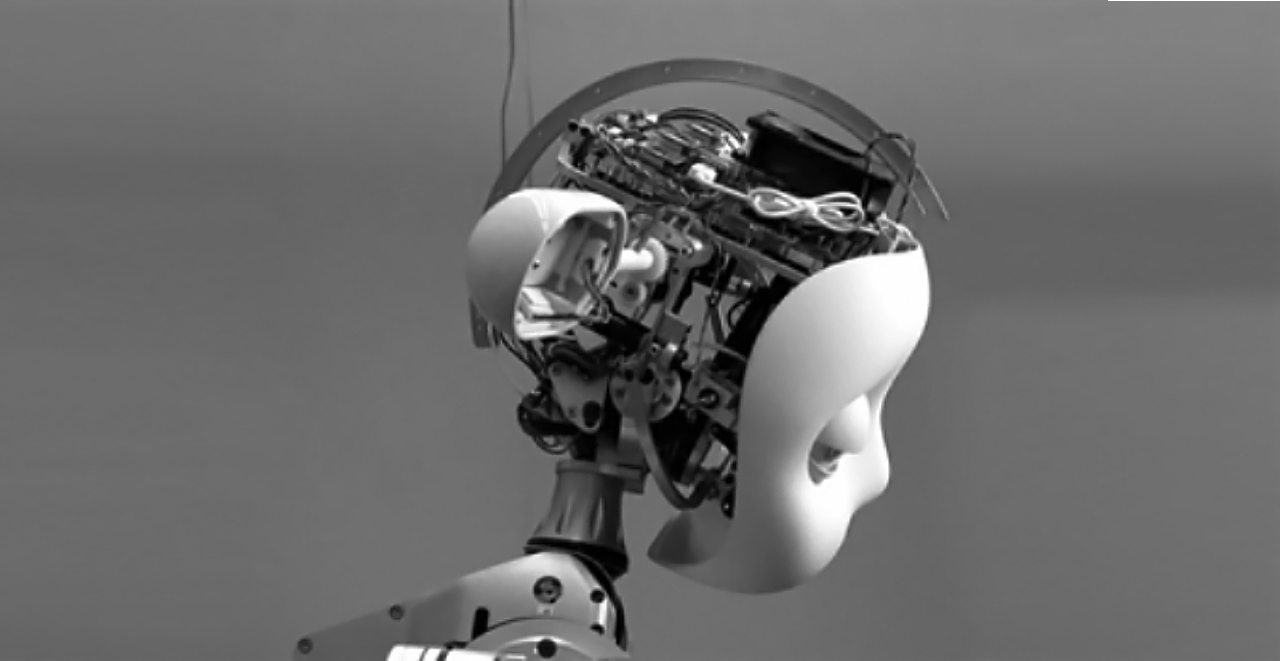
Simon Robot: Humanoid research platform for human–robot interaction
Simon is an upper-torso humanoid robot developed as a research platform for studying how robots learn through interaction with people. The project was led by Andrea Thomaz during her time at the Georgia Institute of Technology, as part of the Socially Intelligent Machines Lab she founded. (The name Simon reflects the lab’s focus on Socially Intelligent Machines—robots designed not just to perform tasks, but to learn from and respond to human behavior.) I was part of the core team that determined the overall architecture and shell design and worked with Jonathan Holmes, MEKA Robotics, and the AI researchers and software developers at the SIM Lab.
I was brought in to design the robot’s form and physical expression, helping translate complex sensing and learning systems into a body that people could understand and interact with naturally.
Designing for Learning Through Interaction
Simon was designed to explore how robots can learn from everyday human teaching behaviors—gesture, demonstration, correction, and encouragement.
The robot incorporated:
cameras for visual perception
microphones for speech and audio input
touch-sensitive pads in the hands to detect contact and grasp
A Legible Humanoid Form
The design emphasized:
clear eye and eyelid movement to communicate attention and perception
a simplified facial structure to support interpretation without over-anthropomorphism
hands and arms designed for both manipulation and communicative gesture
The goal was not realism, but clarity, a form that supports interaction by making the robot’s capabilities immediately understandable.
Research Platform and Impact
Simon became a central platform for research in human–robot interaction, supporting multiple academic studies on robot learning, collaboration, and social behavior.
The work was published and presented at venues including:
ACM CHI Conference on Human Factors in Computing Systems
IEEE robotics and AI conferences
Simon also received widespread media attention, including:
Cover feature in MIT Technology Review
Cover feature in the New York Times Sunday Review alongside the essay Our Talking, Walking Objects
Featured on CBS This Morning
From Research to Real-World Robots
Simon represents an early exploration of ideas that continue to shape my work: how robots communicate, how people interpret them, and how interaction can support learning and trust. This line of research continued through later platforms such as Curi, and ultimately informed the design of Moxi, a hospital robot developed by Diligent Robotics to support clinical staff.